What is Homeschooling?
Homeschooling means different things to different people. It is a movement rich in diversity and schools of thought. Explore what homeschooling is from different perspectives.
What is Homeschooling?
What is Homeschooling?
Steve Moitozo explains how homeschooling is parents deciding and directing the education of their children—deciding and directing the education, not doing all the educating.
Marking the Milestones: Historical Times
This timeline highlights the important milestones in the fight for homeschool freedom in the United States.
History of Homeschooling
Home in education has been around as long as Adam and Eve. Adam and Eve had no teachers or school to send their children to, so they simply had to do it themselves. It has been the case during much of history that they were simply no schools to send children to, leaving parents with no alternative but to homeschool.
Homeschooling: Back to the Future?
Explore some of the history of the homeschooling movement, why some parents choose to homeschool, the basics of homeschooling, and more. The article includes some homeschooling statistics and demographic information. Also included is a discussion of the influences of Dr. Raymond Moore and John Holt on the emerging homeschool movement.
The Politics of Survival: Home Schoolers and the Law
Twenty years ago, home education was treated as a crime in almost every state. Today, it is legal all across America, despite strong and continued opposition from many within the educational establishment. How did this happen? This paper traces the legal and sociological history of the modern home school movement, and then suggests factors that led to this movement's remarkable success.
The History of Homeschooling
This infographic from OnlineCollege.org features a graphical representation of the history of homeschooling, methodologies, statistics, and other interesting facts.
On the Edge of the 21st Century
The right to home school is based on two fundamental principles of liberty: religious freedom and parental rights. Whenever one of these two freedoms is threatened, our right to home school is in jeopardy. Here are the battles we think home educators will be facing as we enter the next century:
What Is Homeschooling?
Patricia M. Lines discusses the basics of homeschooling and the special concerns surrounding it, including legal issues, the success of homeschoolers, colleges, and more.
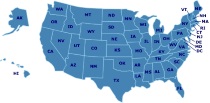
Looking for Another State?
Featured Resources
As an Amazon Associate, we earn from qualifying purchases. We get commissions for purchases made through links on this site.

Educational Travel on a Shoestring : Frugal Family Fun and Learning Away from Home
Educational Travel on a Shoestring shows parents how they can help their children learn–and have a blast–while traveling. From researching destinations to sharing activities that both teach and entertain, this priceless guide offers practical information for parents who want to have more fun with their kids, build closer family ties, and enjoy richer educational experiences–all without spending a fortune.

Basic Montessori: Learning Activities for Under-Fives
For the first time, Basic Montessori opens the celebrated philosophy and method to a more general public. David Gettman has devised a clear and modern explanation of Montessori's revolutionary ideas about early intellectual development, and provides a step-by-step guide to the Montessori learning activities most commonly used with under-fives. These include activities for introducing reading and writing, counting and decimal concepts, science, and geography, as well as activities that help dev...
Learning Language Arts Through Literature
Learning Language Arts Through Literature is a fully integrated language arts program that teaches grammar, reading, spelling, vocabulary, writing mechanics, creative writing, thinking skills and more.

Designing Your Own Classical Curriculum: A Guide to Catholic Home Education
In this book, Laura Berquist offers a curriculum based on the philosophy of the classical Trivium: grammar, logic, and rhetoric. This valuable tools helps home educators craft a liberal arts curriculum that is good for both the soul and the intellect. The material in the book covers grades K-12 and has detailed and practical advice. There is also a section for a high school curriculum and a list of resources.
Christian Kids Explore Chemistry
These user-friendly, unabashedly Christian, one-year science curriculums for elementary students include teaching lessons, coloring pages, hands-on time, memorization lists, review sheets, creative writing assignments, and a supplemental book list. The Chemistry text is intended for grades 4-8, and includes such hands-on activities as making model atoms, breaking covalent bonds, and making gas expand. It also lists chemistry terms, notations, and rules. The conversational style gives students th...